On the Value of Less-Structured Time
Is measuring everything always a good idea?
A few years ago, my old Bulova watch died and could not be resurrected, according to the people at the Swiss Watchmakers. So I went looking for a new watch.
What second it is doesn’t matter
At the top of my list of must-haves for the new one was no second hand. Does anyone other than the nurse taking your pulse need to know what second it is? Even they have a machine that does that now. Second hands’ primary contribution seems to be distracting your attention from the hands that offer the useful information. Second hands suck. Other than proving that your watch is running, they are engineering clutter.
And then I found something I hadn’t seen before: a watch with no second hand and also no minute hand.
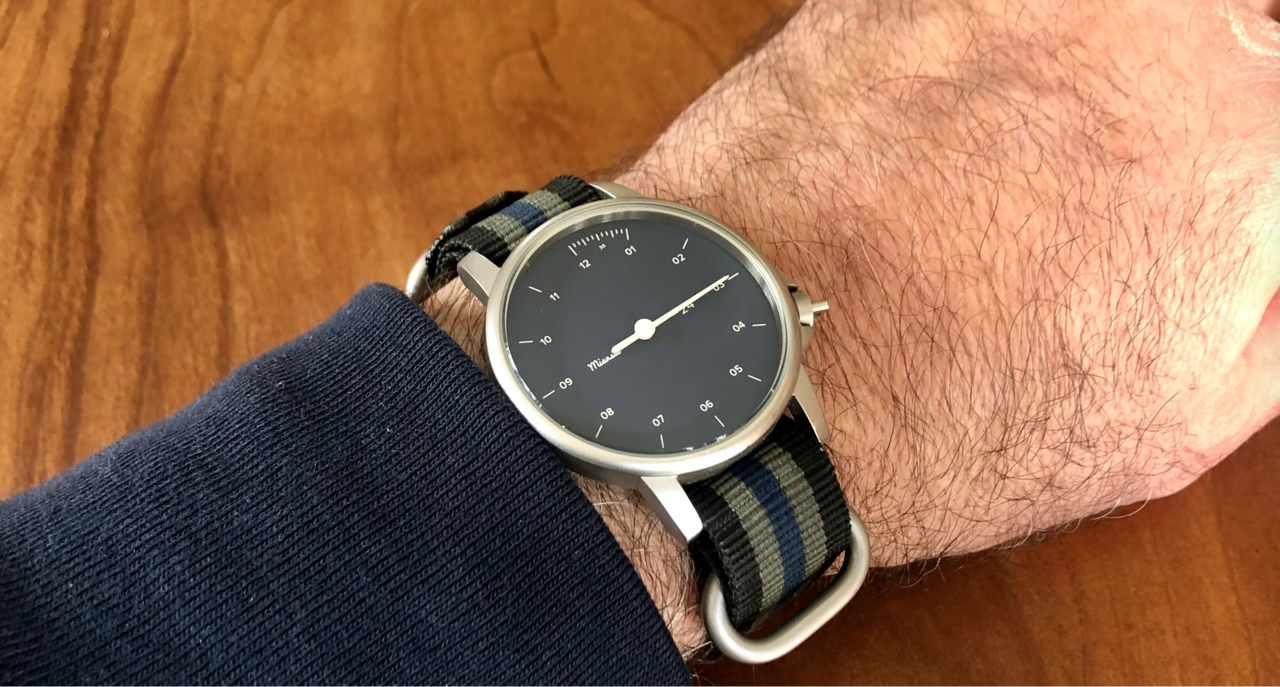
The original clockfaces, on towers in Italy in about 1270, also had only one hour hand. Minute hands didn’t become a thing until 400 years later, in 1690.
Does it matter what minute it is?
Now, this challenged my assumptions. Do I need a minute hand?
I definitely needed a minute hand 15 years ago when my watch was responsible for getting me to the meeting or the airport or the bar on time. But now that I am an appendage stuck onto the side of my iPhone, the demands on my watch have changed. I realized I mostly need to know approximately what time it is.
And then, thinking about it further, I started to wonder if it would help me to unshackle from the exact time, at least some of the time.
Flow is easier when the exact time matters less
A big part of my work is creative concepting. And here I’ve learned two things from long experience:
When I can get into flow the ideas come faster, in greater diversity and quantity, and are overall better, and
Getting into flow is hard for me, and requires freedom from immediate time constraints and other demands.
Which makes me thankful for the people keeping all the numbers
As someone who provides creative solutions to business problems, I’m grateful to those who want to measure results. They can tell me what works and what doesn’t.
And in my experience, the most effective creative work happens when we can carve out some block of time to discover and bring to light the good ideas, when we are free to seek out connections hidden from our colleagues whose eyes never stray from the clock.
And when the number keepers measure the results, we can show that the effectiveness of the work is usually correlated with the space we have to create it.